




Tbilisi, capital
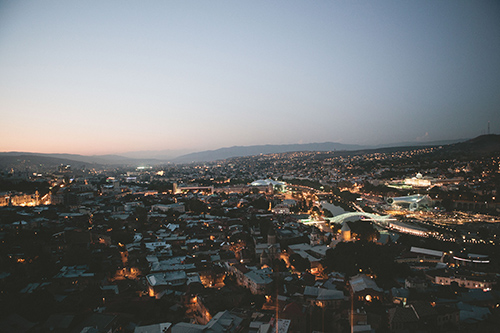
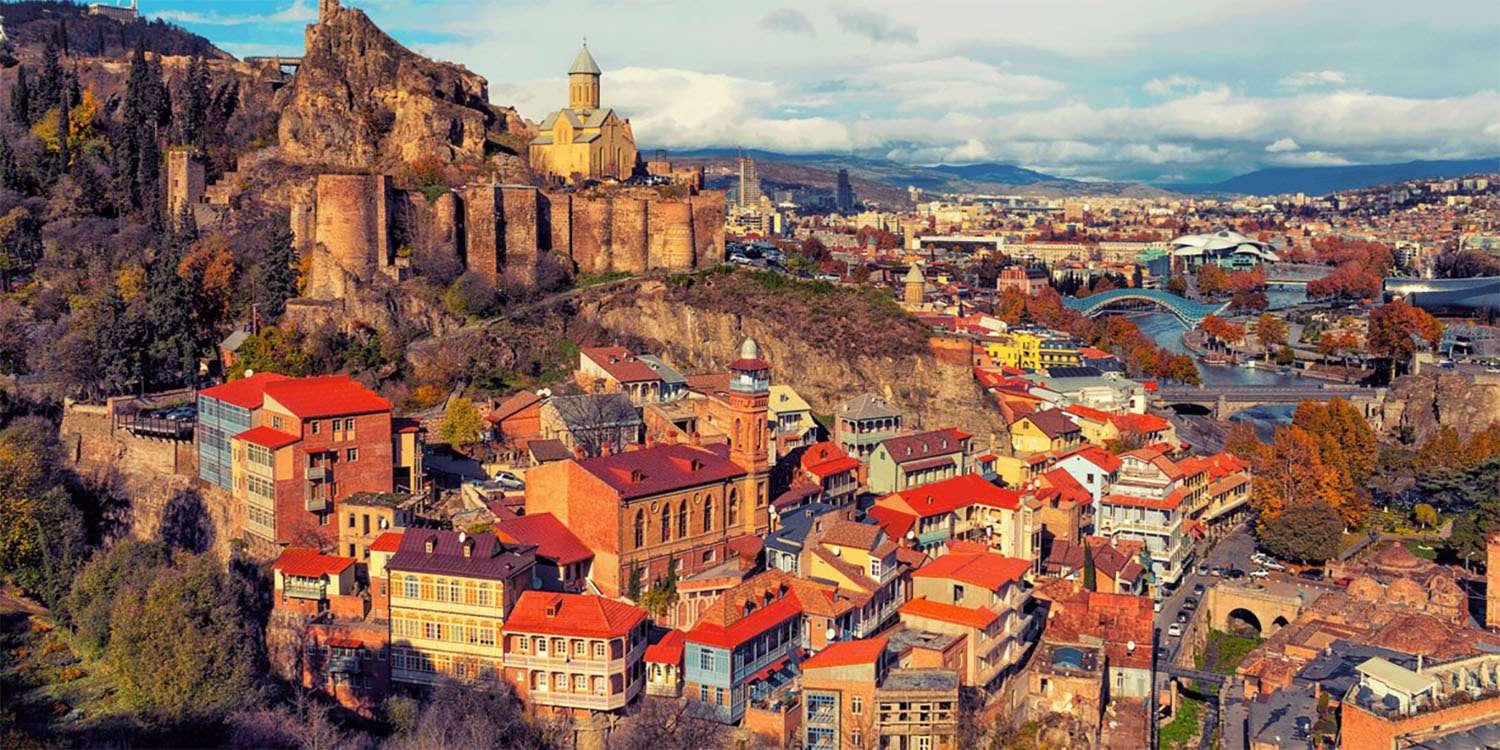
Tbilisi, the capital of Georgia, founded in the 5th century AD, has something to offer every visitor, be it culture, history, ancient and modern architecture or even excellent cuisine and wines... "The city of contrasts" - this is what travelers often call Tbilisi.
Strolling leisurely through the winding streets, you sometimes find yourself on hills from which you can enjoy a beautiful view of the city, or you get lost among two or three-story, elegant, colorful houses with spiral staircases, standing close together.
Each balcony is decorated with carvings and painted differently... Colorful carpet shops distract the eye and the spicy aroma of Georgian dishes invites every guest to small cozy restaurants... Wine cellars, artists' workshops and modern cafes make Tbilisi an inexhaustible adventure.
Batumi on the Black Sea
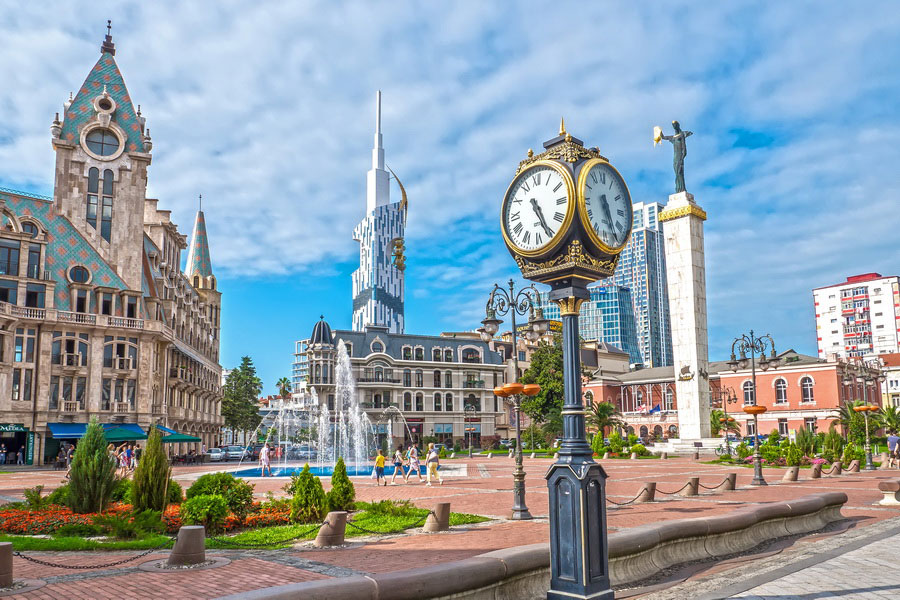
The Black Sea coast of Georgia (315 km) is the country's subtropical green mile. The port city and seaside resort of Batumi, the "white pearl" of Georgia, is the capital of the Autonomous Republic of Adjara (part of the Republic of Georgia).
The depth of the Batumi coast (70 m) was known to the ancient Greeks and was used by them for trade. Between the 1st and 6th centuries AD, first the Romans, then the Byzantines and later the Ottomans used Batumi as an outpost in the Middle East. Their traces can still be found in Adjara today (Gonio Fortress, Petra Castle...).
At the end of the 19th century, Batumi was used by European states as a corridor for transporting oil from Azerbaijan to Europe. During this period, Batumi developed very quickly. The city now boasts Art Nouveau and Classicist buildings, a 5 km long waterfront, tea and citrus plantations, etc.
Batumi's second heyday came from 2004 to 2012. The old town was restored and high-rise buildings with ultra-modern design were built along the new waterfront.
Today Batumi offers a combination of classical and modern architecture and is a very popular seaside and tourist resort.
Greater and Lesser Caucasus
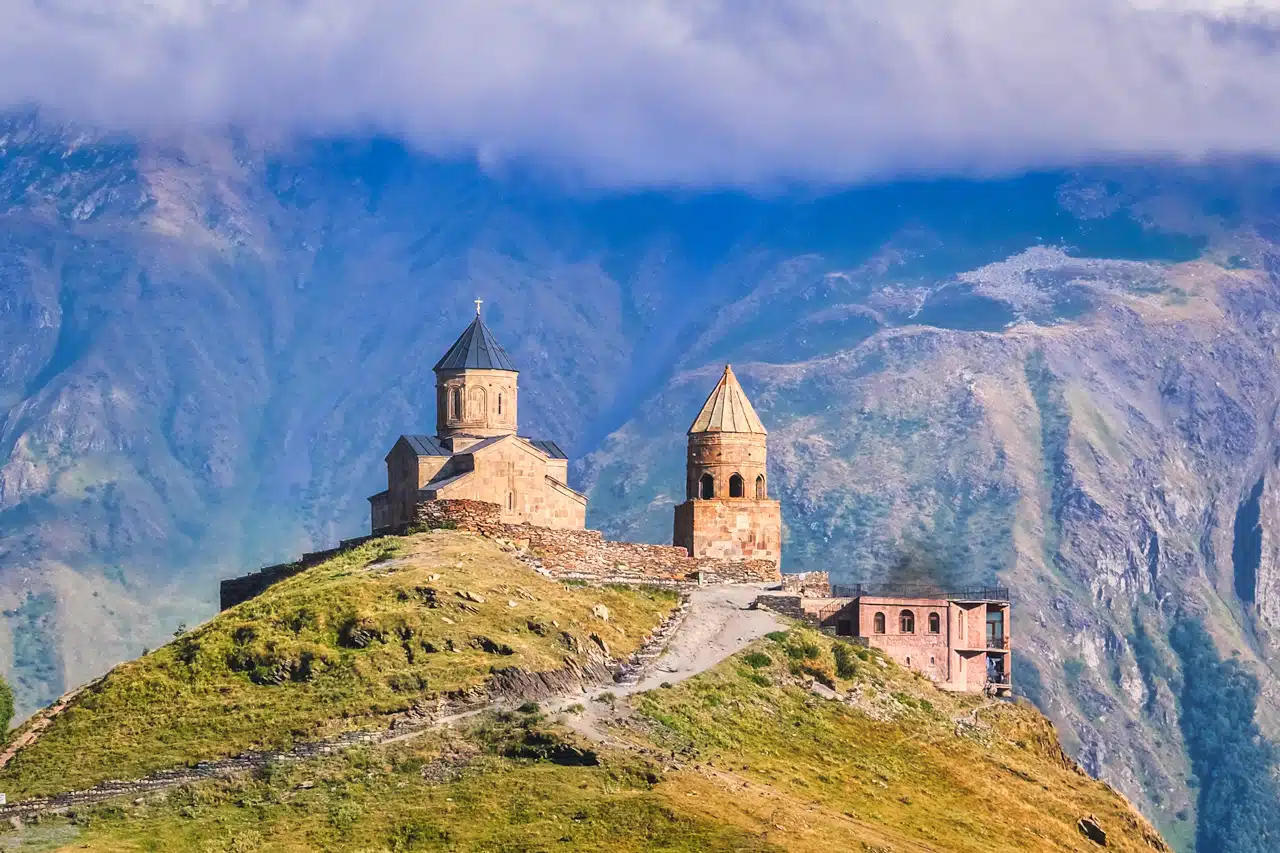
Holiday options in Georgia also include hiking in the picturesque nature of the Greater and Lesser Caucasus. There are several marked hiking trails for almost every level of difficulty.
Hiking trails lead through untouched mountain and valley landscapes. Travelers can experience the panoramas, vegetation and air of the Caucasus up close and gain unforgettable impressions.
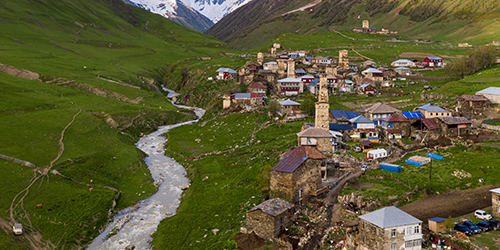
The old mountain settlements of Georgia - Svaneti, Tusheti and Khevsureti - are attractive not only for their beautiful mountain landscapes, but also for their archaic, unique residential architecture and way of life.
In winter, Georgia offers wonderful holidays in the local winter resorts and ski resorts. The ski resorts of Gudauri, Bakuriani, Mestia and Tetnuldi are particularly popular. New infrastructure has been created here: ski lifts and gondolas, ski rental shops, hotels and guest houses, cafes and restaurants.
Cave and rock cities
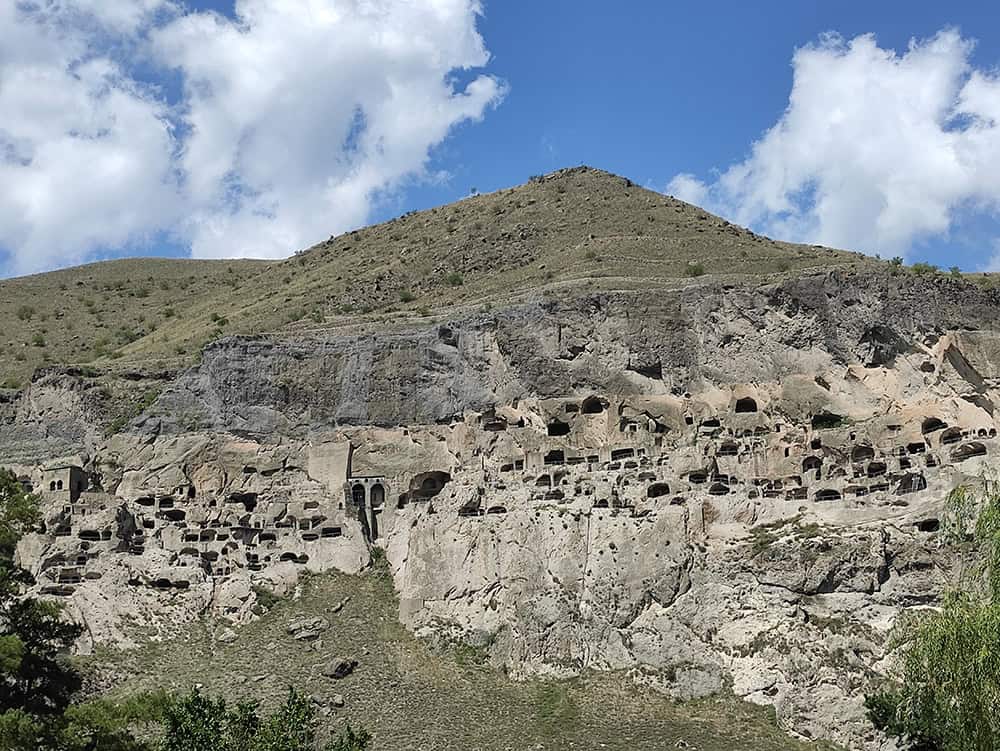
In addition to church architecture, in Georgia you can also visit settlements carved into rock massifs - cave cities. Most of them are carved out of sandstone or tuff in the mountains of eastern Georgia and amaze visitors with their originality.
Vardzia (12th century) is a former garrison town, later a rock monastery in southern Georgia. Originally, this rock city had 13 floors connected by narrow corridors and stairs, 3,500 residential units and a width of 500 meters. Today only a third of the complex remains, but its grandeur still amazes visitors.
Uplistsikhe (7th-6th century BC) is a pagan temple fortress from the pre-Christian period, which was converted into a residential castle after the Christianization of Georgia in the 4th century. This rock city has also suffered from several earthquakes and invasions, but Uplistsikhe still leaves a strong impression.
The David Gareji monastery complex (6th-7th century) is a monastery complex carved into a sandstone cliff on the eastern edge of the Gareji semi-desert. Founded in the 6th century by the Syrian monk David. Part of a chain of rock monasteries in the Gareji semi-desert. It is particularly beautiful here in May and June, when all the meadow flowers, sunflowers and chestnut fields are in bloom.
Early Christian culture
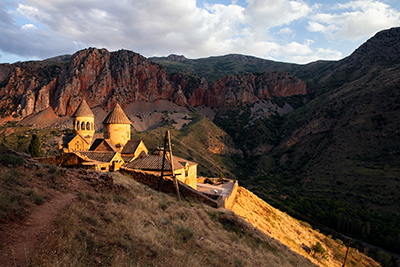
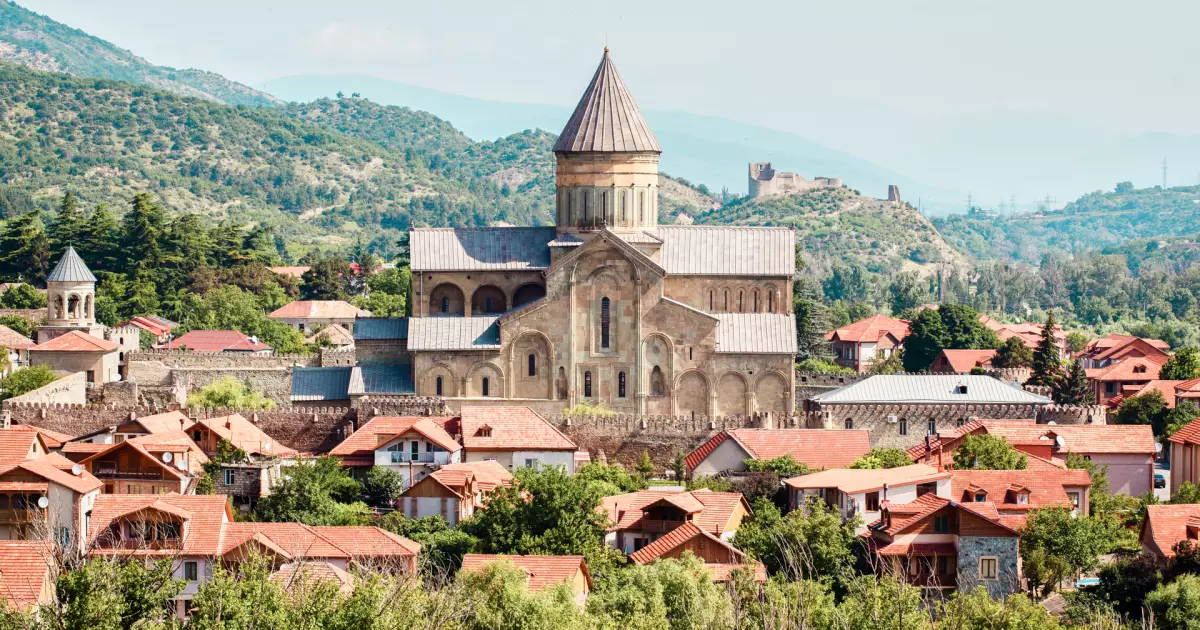
Georgia is one of the few countries in the world with an early Christian culture. At the beginning of the 4th century, Christianity was declared the state religion and the first church was built.
Although the traditions of church architecture and wall painting generally followed Byzantine principles, there were periods of prosperity when Georgian church architecture, as well as fresco painting, icon painting and enamel painting, reached their peak.
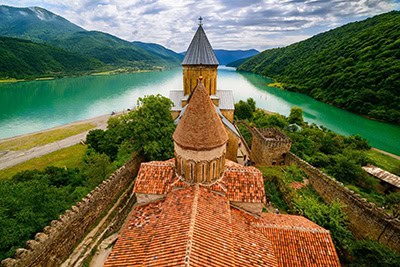
Churches and cathedrals have suffered from the country's difficult history and many Christian treasures were stolen during invasions, but Ateni Sioni, Svetitskhoveli, Nikortsminda, etc. still delight visitors and the surviving Christian treasures can be seen in many museums in Georgia.
Language, Alphabet, Folklore
Language and alphabet
The Georgian language forms a separate language branch, which is called the Kartvelian or South Caucasian language branch and is only used in Georgia.
The Georgian alphabet is one of the 14 oldest alphabets in the world and has been used in Georgia since the 5th century. It consists of 33 letters, 5 vowels and 28 consonants.
Georgian folklore
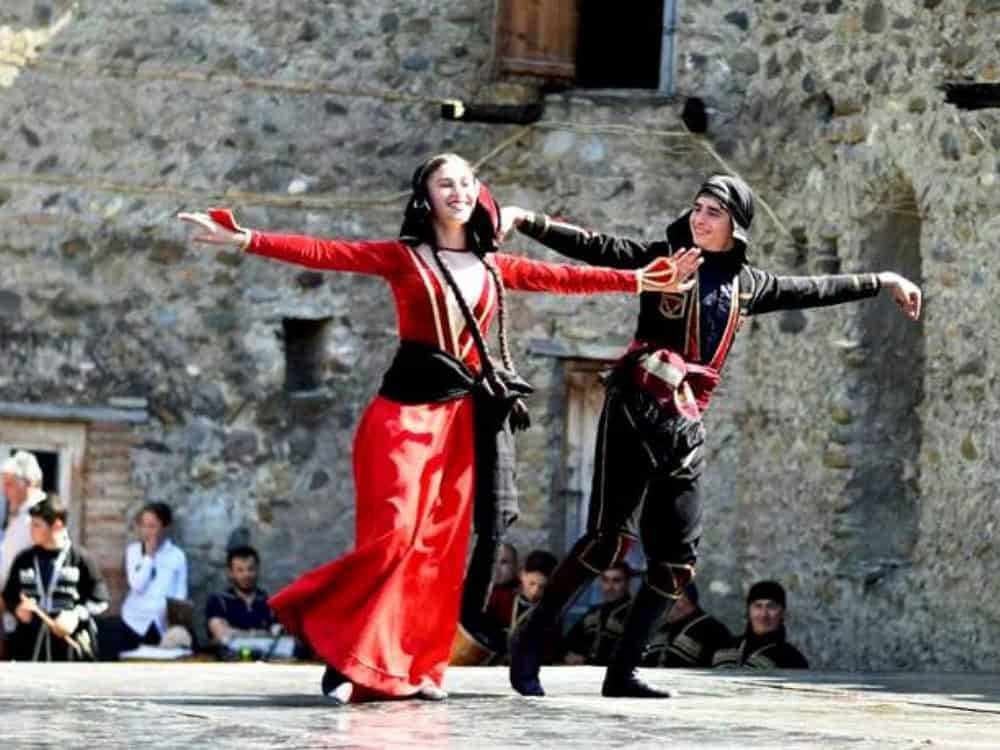
Even today, polyphonic folk and church music as well as beautiful folk dances are very popular in the country. Many songs and dances date back to pre-Christian times and are very interesting in terms of content and performance. Each region of Georgia has its own folklore and costumes, and all of this together makes the country very culturally diverse.
Wine and cuisine
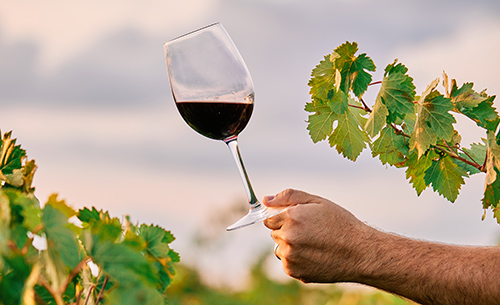
The culture of winemaking in Georgia dates back about 8000 years. Here, wine is made and stored in traditional clay amphoras called qvevri. This original method of winemaking in Georgia was declared an intangible cultural heritage of humanity by UNESCO in 2013.
Almost every region of Georgia produces its own wines, but a trip to the Georgian wine region of Kakheti is a real adventure. Around 37 different brands of red and white wine are produced here for export.
Georgian red wines of special quality: Saperavi, Mukusani, Kindsmarauli, Tavkveri, etc., but there is also a rich selection of fine wines among the white wines: Tsinandali, Manavi Green, Kissi, Zolikuri, etc.
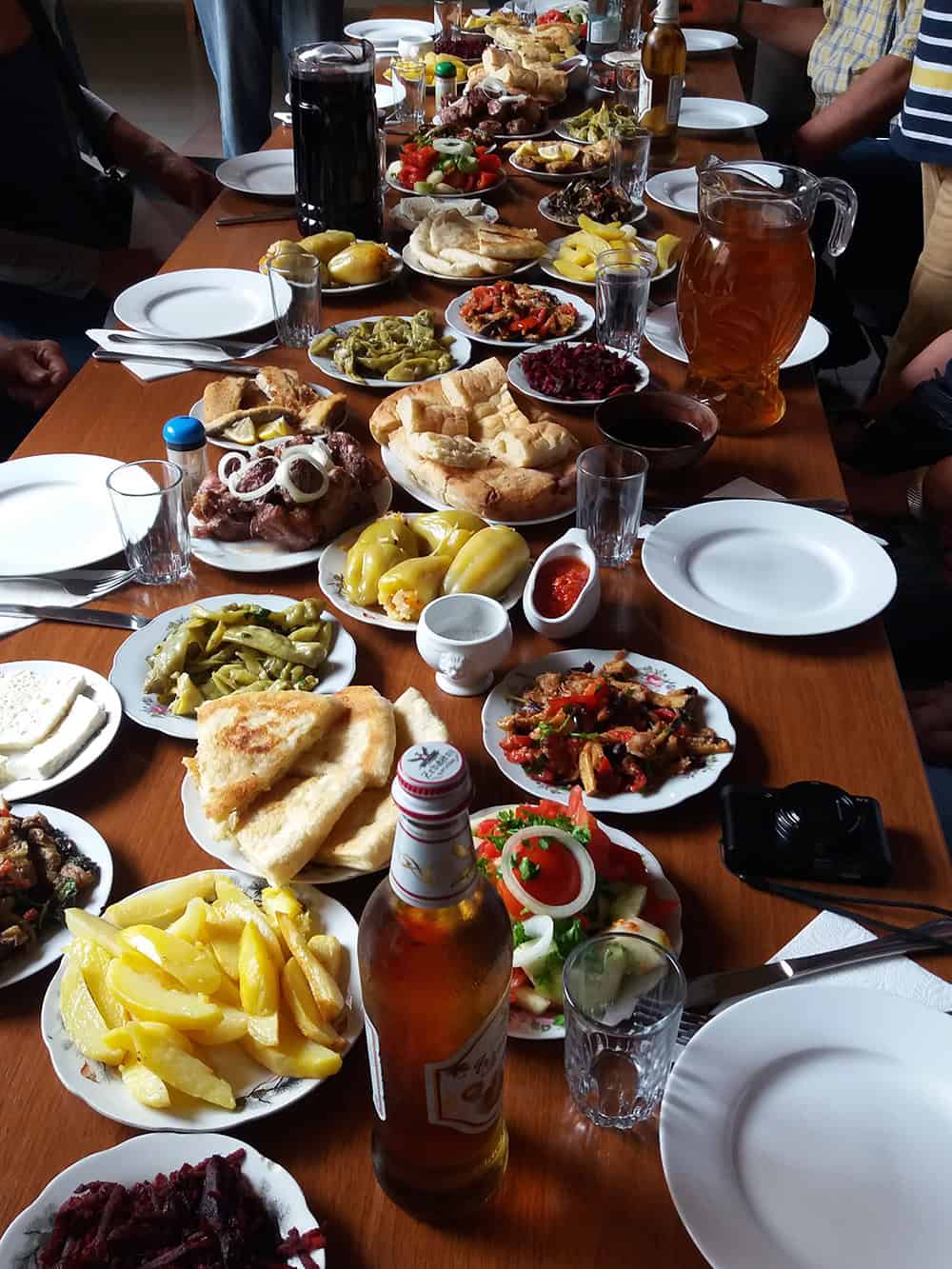
Georgian cuisine is the highlight of any trip to Georgia. In Georgia, special attention is paid to food and taste.
What makes Georgian cuisine so special? - Spicy taste and variety.
Meat, lots of vegetables with walnuts, various greens, cheese and cottage cheese products - all this is served at the same time.
Traditional Georgian "supra" (table feast) should be laid out in several layers - this is to express how much importance you attach to the visit of guests. Guests must be provided with everything they need.
What do guests like to eat most in Georgia?
"Khachapuri" is baked bread with cheese filling. Each region of Georgia has its own version of khachapuri.
"Khinkali" are dumplings filled with minced meat. In Georgia they are particularly well seasoned and are a popular dish among both Georgians and visitors.
"Mchali" - various vegetables with crushed walnuts and spices.
"Shkmeruli" - fried chicken in a creamy garlic sauce.
Georgia is also very popular with gourmets.